Looking for a Hamptons lifestyle that feels both peaceful and polished? Bridgehampton stands out because it gives you a rare mix of open farmland, ocean access, and a historic town center, all within one small pocket of the South Fork. If you are thinking about buying, renting, relocating, or simply narrowing your search, understanding how Bridgehampton actually lives from season to season can help you make a smarter move. Let’s dive in.
Why Bridgehampton Feels Different
Bridgehampton is a hamlet within the Town of Southampton, not a separate incorporated village, and its setting shapes nearly everything about daily life. It sits between Water Mill, Noyac, Sagaponack, and the Atlantic Ocean, with a landscape defined by farmland, open space, historic buildings, and a long-established commercial corridor along Montauk Highway.
That blend is what gives Bridgehampton its character. You can experience broad open views near farms and vineyards, then shift to beach access or the hamlet center without leaving the area. For many buyers and renters, that balance is the real draw.
The numbers also help explain the market. Census data shows 2,953 residents, 13.0 square miles of land, and 2,315 housing units. The area also reflects a high-end profile, with a median household income of $139,486 and 70.3% of adults holding a bachelor’s degree or higher.
A Lifestyle Shaped by the Seasons
If you are considering Bridgehampton, it helps to know that this is a place with a strong seasonal rhythm. Town planning materials show that about 76% of housing units are seasonally occupied, while 20.6% are occupied year-round. In real life, that often means summer brings heavier traffic, more beach activity, and busier weekends, while the shoulder seasons and winter feel quieter.
This does not mean Bridgehampton is only a summer destination. It means your experience can shift depending on when and how you use your home. Some people want the energy of peak season, while others value a more relaxed off-season pace with room to breathe.
For second-home buyers, that seasonal pattern can be a major benefit. For year-round residents, it is an important lifestyle factor to weigh early in your search.
Beach Living Comes With Practical Rules
Living near the ocean is a big part of Bridgehampton’s appeal, but it also comes with local logistics. Town beach parking permits are required from May 15 through September 15, which matters if beach access is high on your list.
In Bridgehampton, Mecox Beach allows resident and nonresident parking on weekdays through the town app. W. Scott Cameron Beach is residents-only. Mecox Beach offers more than 250 feet of shoreline and 111 parking spaces, while W. Scott Cameron Beach has 300 feet of ocean frontage and 58 parking spaces.
If you are shopping south of the highway or prioritizing easy beach days, these details matter. Access, parking rules, and summer demand can all shape how convenient your beach lifestyle feels.
What Homes Look Like in Bridgehampton
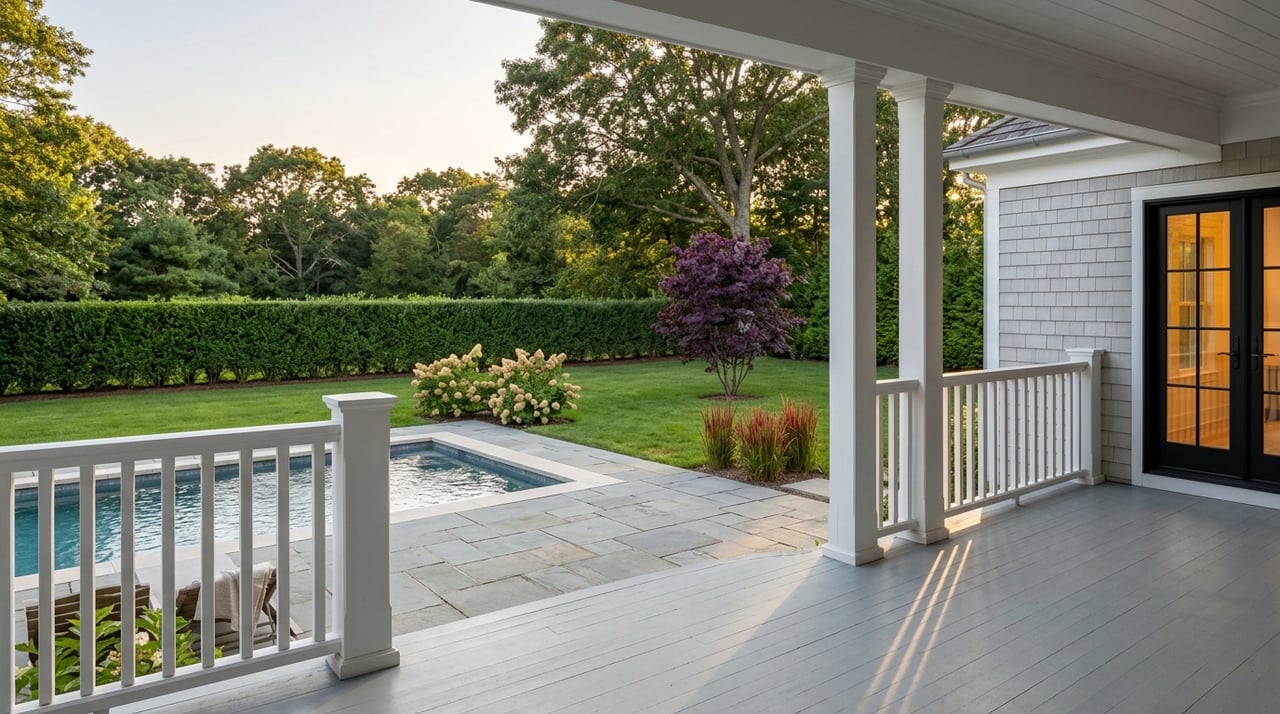
Bridgehampton’s housing stock is centered on single-family living. According to the town profile, 97.0% of housing units are single-family homes, and 47.1% have four or more bedrooms. That makes the market especially relevant if you are looking for a larger home, a second residence, or an estate-style property.
Ownership also dominates the area. About 88.6% of occupied units are owner-occupied, which reinforces the market’s emphasis on private residential homes rather than dense multifamily inventory.
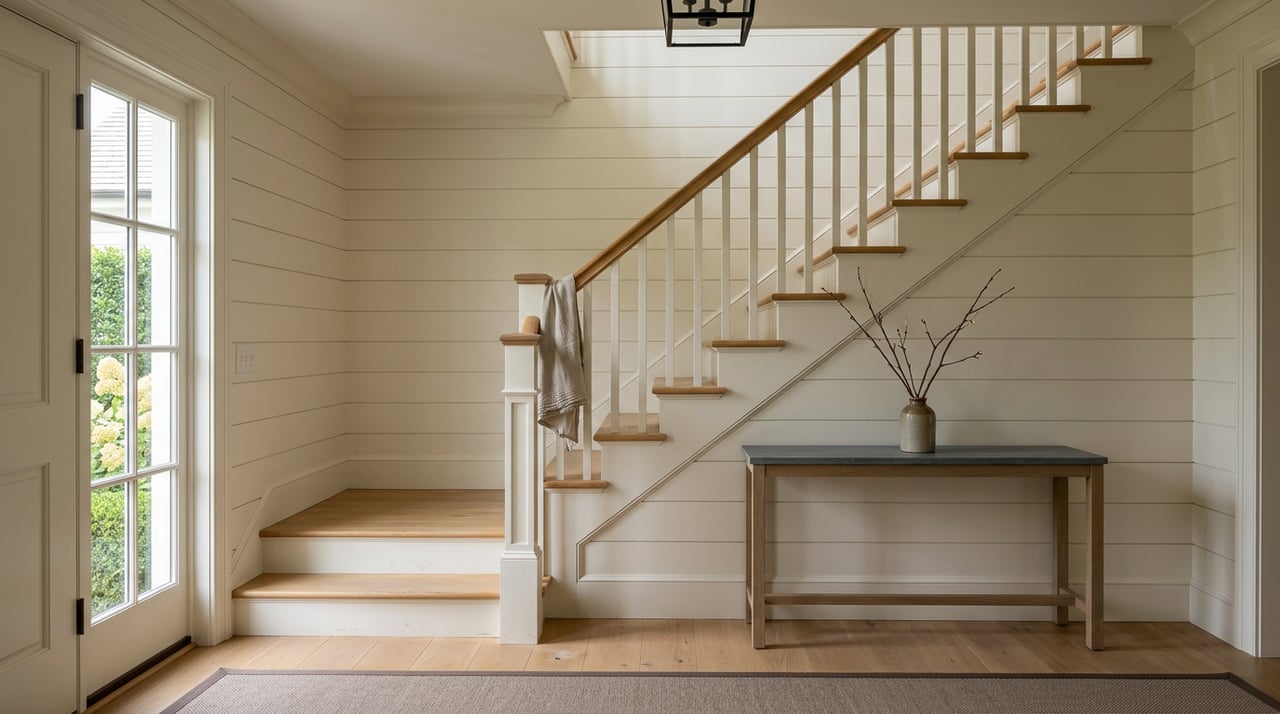
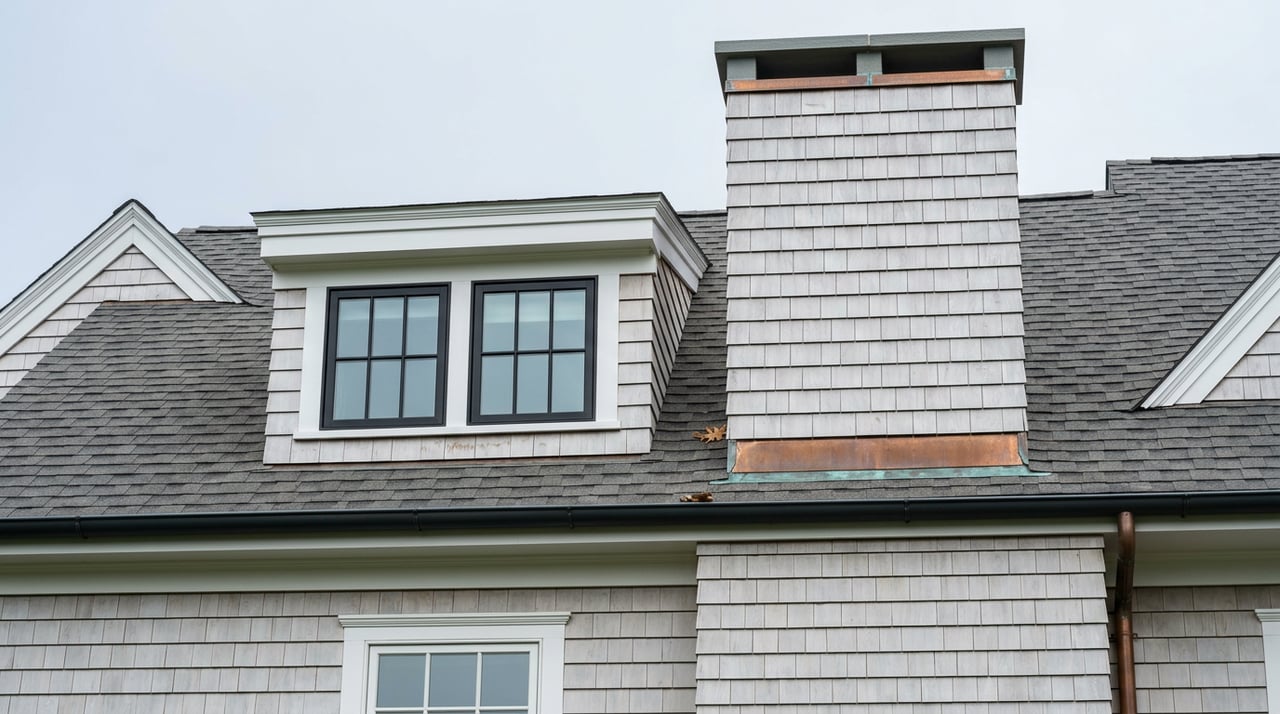
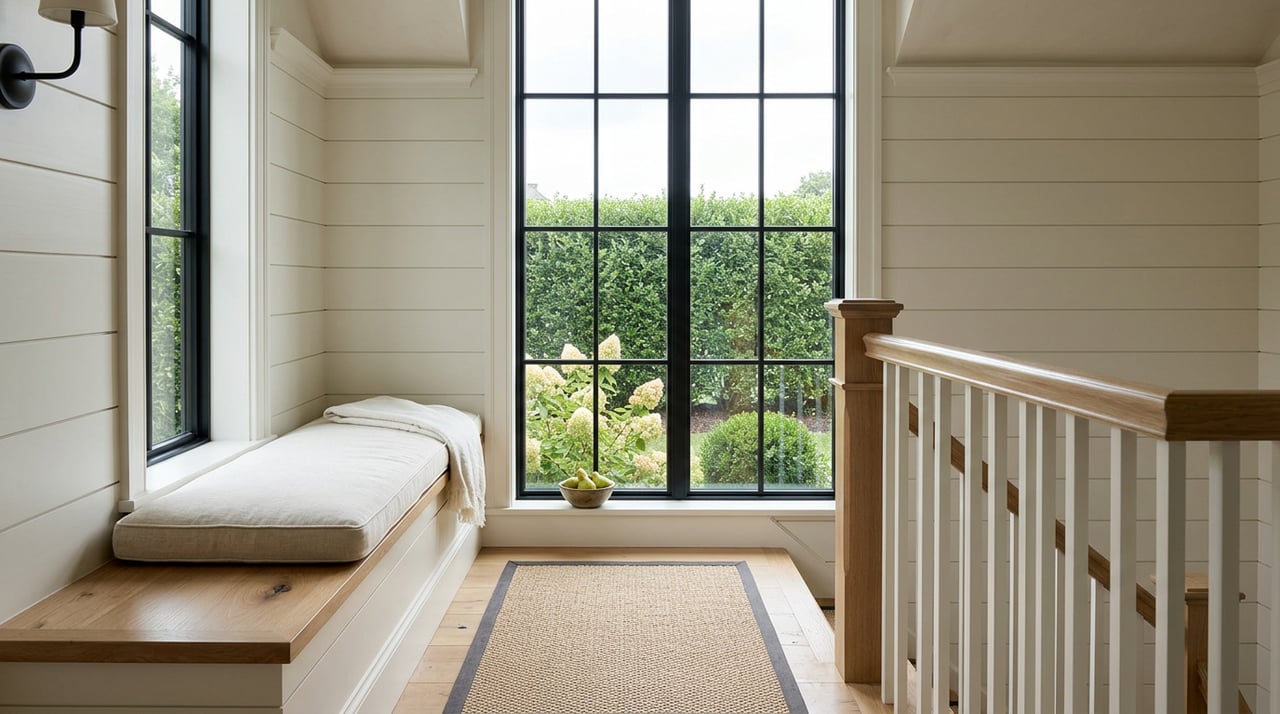
The housing stock is also mixed by age. About 29.0% of homes were built before 1960, 60.3% were built from 1960 to 1999, and 10.7% were built in 2000 or later. For you, that can translate to a broad range of options, from older homes with established settings to newer residences with more current layouts and finishes.
Three Lifestyle Pockets to Know
Hamlet Center
The historic center along Montauk Highway is the most service-oriented part of Bridgehampton. Town materials describe this corridor as running from Snake Hollow Road to Ocean Road and note that it retains development patterns tied to the earliest settlements.
For a buyer or renter, this area can feel more connected to daily conveniences and transit. It is also where the hamlet’s historic identity is most visible, which gives the center a different feel from the larger-lot residential pockets beyond it.
Farm and Inland Areas
Bridgehampton’s inland pockets lean into privacy and open space. The town profile highlights large lots, landscaped yards, established trees, and cul-de-sacs, all of which support a quieter residential setting.
This part of Bridgehampton also connects closely to the farm-and-vineyard identity that many people picture when they imagine the Hamptons beyond the beach. Round Swamp Farm operates a Bridgehampton market with locally grown produce and prepared foods, and Channing Daughters notes that its home farm in Bridgehampton includes 28 acres of vines.
If you want a setting that feels calmer and more tucked away, these inland areas may offer the strongest fit. They can appeal to buyers looking for space, privacy, and a more rural backdrop.
Ocean-Side Areas
Bridgehampton’s ocean-side pocket is the most seasonal in feel. This part of the hamlet connects directly to beach living through Mecox Beach and W. Scott Cameron Beach on Dune Road.
For many people, this is the image that first comes to mind when they think of Bridgehampton. It can offer the strongest connection to sand and surf, but it also comes with the most noticeable summer-use rules and seasonal demand.
Is Bridgehampton Walkable?
The best answer is: partly, but not broadly. Bridgehampton has a concentrated center with shops, cultural destinations, and rail access, yet the overall pattern is still car-dependent.
Town planning materials note the absence of a street grid and the prevalence of cul-de-sacs. So while some errands or outings may be convenient near the center, most daily movement across the hamlet is better suited to driving.
That distinction is helpful when choosing where to focus your search. If you want easier access to services and transit, the center may be more appealing. If privacy and larger lots matter more, a car-dependent setting may be worth the tradeoff.
Year-Round Use vs. Second-Home Use
One of the most common questions about Bridgehampton is whether it works better as a second-home market or a full-time home base. Based on the town profile, the answer is both, but the fit depends on how you plan to live.
The high seasonal occupancy rate, large-lot housing stock, and beach-focused lifestyle make Bridgehampton especially attractive for second-home buyers. At the same time, the hamlet also has features that support regular or year-round use, including a Long Island Rail Road stop on the Montauk Branch, seasonal long-term parking rules at the station, and service from the South Fork Commuter Connection.
That flexibility matters if you split time between the Hamptons and another primary residence. It also matters if you are relocating and want a place that stays active beyond peak summer.
What Keeps Bridgehampton Active Beyond Summer
Bridgehampton offers more than beaches. Cultural and nature destinations help keep the area engaged across the year, which can be important if you want a home that feels useful and enjoyable outside the high season.
Town planning materials identify amenities including Dia Bridgehampton, the Dan Flavin Art Institute, the Bridgehampton Museum, the Children’s Museum of the East End, SOFO, the Bridgehampton Club, Atlantic Golf Club, and Three Ponds Farm. The South Fork Natural History Museum, located on Bridgehampton-Sag Harbor Turnpike, is open seven days a week except major holidays.
For buyers and renters alike, these places add texture to daily life. They also help explain why Bridgehampton can feel like more than a seasonal backdrop.
What This Means for Your Home Search
Bridgehampton works best when you match the location to the lifestyle you actually want. If beach access is your top priority, it makes sense to look closely at south-side locations and understand summer parking rules. If privacy, larger lots, and a rural feel matter more, inland areas may offer a better match.
If you want a home that supports part-time living, Bridgehampton’s seasonal rhythm may feel natural. If you plan to live here more consistently, rail access, local institutions, and the hamlet center can become more important decision points.
This is where local guidance really matters. In a market shaped by micro-locations, seasonality, and different patterns of use, the right advice can help you narrow your options much faster and with more confidence.
If you are considering a move, a second home, or a seasonal rental in Bridgehampton, Rachael L. York can help you evaluate the hamlet with local insight and a concierge-style approach tailored to how you want to live.
FAQs
What is Bridgehampton, New York known for?
- Bridgehampton is known for its mix of farmland, open space, historic character, beach access, and larger single-family homes within the Town of Southampton.
Is Bridgehampton, NY mainly a second-home market?
- Bridgehampton strongly serves second-home buyers, with town data showing about 76% of housing units are seasonally occupied, though rail access and local amenities also support year-round or part-time living.
What types of homes are common in Bridgehampton?
- The housing stock is mostly single-family, with 97.0% of units in that category and 47.1% offering four or more bedrooms.
Are Bridgehampton beaches easy to access in summer?
- Beach access is available, but summer parking rules matter because permits are required from May 15 through September 15, and local beaches have different resident and nonresident parking rules.
Is Bridgehampton walkable for daily life?
- Bridgehampton has a more convenient central corridor, but overall it is considered car-dependent due to its street layout and prevalence of cul-de-sacs.
Can you live in Bridgehampton year-round?
- Yes, you can live in Bridgehampton year-round, and the hamlet offers rail service, commuter connections, and cultural and nature destinations that support use beyond summer.