Trying to decide between the buzz of Southampton Village and the space you find just outside it? You’re not alone. Many buyers weigh daily convenience against privacy and room to grow before they make a move. In this guide, you’ll learn how life practically differs inside the Village versus the out‑of‑village areas of 11968 so you can choose what fits you best. Let’s dive in.
Big picture: what changes day to day
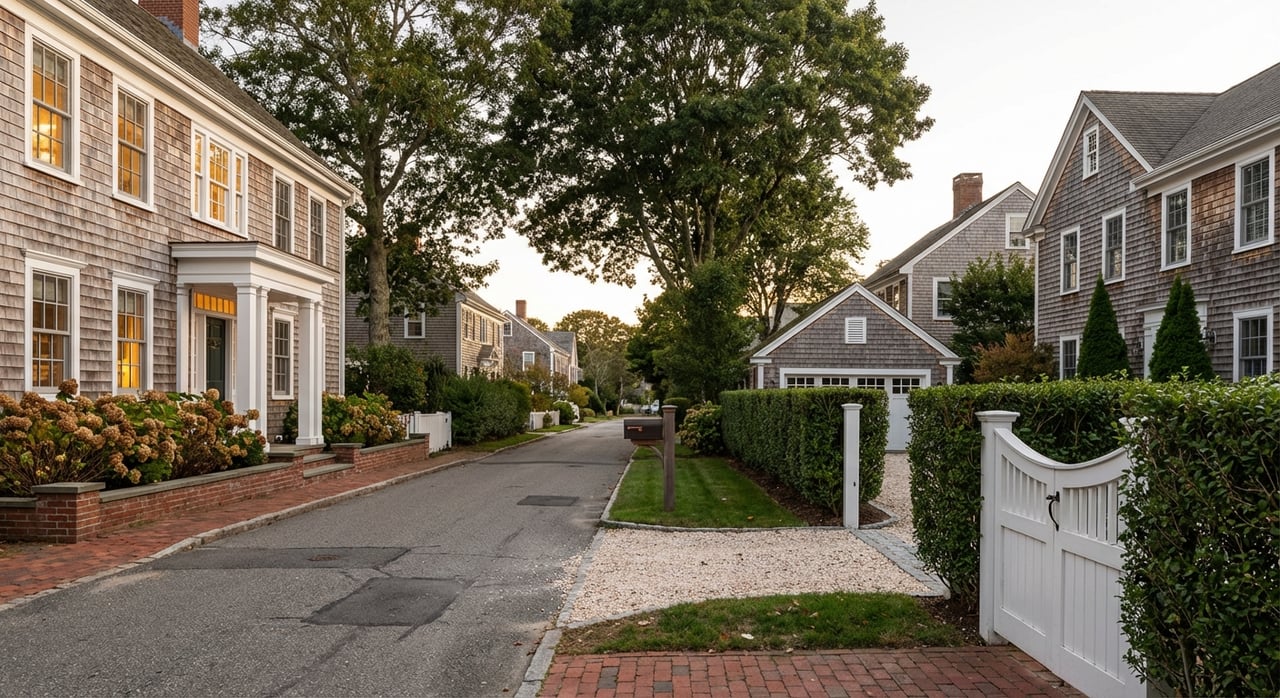
Living in Southampton Village puts you near a compact downtown core with shops, restaurants, cultural spots, and village-run beaches. The tradeoff is smaller lots and more activity, especially in summer. Outside the Village, you typically see larger parcels, a quieter pace, and more driving for errands. Start by getting familiar with the Village’s services and priorities on the official website at Southampton Village, then match that to how you live.
Walkability and downtown life
Errands and everyday convenience
If you want a car-light routine, Village addresses near Main Street, Jobs Lane, and Hill Street offer the easiest access to daily needs. You can walk to coffee, a quick lunch, boutiques, and pharmacies from many homes in the core. Out-of-village neighborhoods are more spread out, so count on driving for most errands.
Restaurants and year-round options
The Village is the dining hub, and you’ll feel it in all four seasons. Cafes, delis, and some sit-down restaurants operate year-round, while a number of places expand hours in summer and scale back off-season. Local dining roundups consistently highlight the Main Street cluster as the center of gravity for eating out in Southampton Village, with some businesses adjusting hours as seasons change, as reported by Dan’s Papers.
Evenings, activity and noise balance
With more restaurants and foot traffic come classic downtown tradeoffs. Expect busier evenings on weekends and in peak season. The Village has put time limits and enforcement on downtown parking to manage turnover and late-night spillover, according to local reporting on parking rules. If quiet after 9 or 10 pm is a top priority, out-of-village areas may suit you better.
Culture and civic anchors
Libraries, cultural programming, and seasonal events cluster in and around the Village core. That proximity makes it easy to add a gallery stop, an event, or a library visit to your day without getting in the car. Outside the Village, cultural stops are more spread out, which can mean planning around drives and parking.
Beaches and shoreline access
Who manages which beaches
Southampton Village manages several beaches, including well-known Coopers Beach, and publishes permit categories and parking guidelines each season. The official beach-permit application outlines the rules and eligibility for different user groups, from village owners and renters to visitors. Review current categories and dates on the Village beach permit application.
Permits, parking, and daily logistics
If you live in the Village, you’ll usually have shorter trips and the option to pair a beach visit with a stop in town. Expect lifeguards and on-site amenities at Coopers during the season, and plan ahead for parking costs or permits based on your status. Outside the Village, you may rely on Town permits, private or semi-private access, or a longer drive and walk to sand. Rules vary by location, so it pays to confirm the specifics for each property.
Crowds and seasonality on the shore
Village beaches can be busy in July and August, especially on holiday weekends. Parking fills faster and pedestrian traffic increases near the center. Out-of-village bayfront or oceanfront settings can feel quieter, but access and use can depend on club rules, private ownership, or local regulations. Always confirm access for each lot before you rely on it.
Getting around and commuting
Train, coach services, and local options
Southampton’s LIRR station sits in the Village on the Montauk Branch, which adds flexibility for New York City trips. Service frequency varies by season and time of day, so check schedules on the MTA’s Southampton Station page. Express coach services like the Hampton Jitney also stop in Southampton and are popular for weekend commuting, as noted in the operator’s FAQs. If you live outside the Village, plan to drive to the station or pickup point.
Driving, traffic, and parking
Driving times from the city swing widely, and summer weekends can add significant delays. Village living reduces your daily in-town trips for dining and shopping, but parking can be tighter near Main Street in peak season. Outside the Village, parking at home is simpler and streets are quieter, although you’ll drive more for errands and the beach.
Downtown time limits and beach parking
Expect posted time limits for downtown parking and active enforcement. Beach parking follows the Village’s published permit rules with categories and fees that change seasonally. Before summer starts, review the latest guidance in the Village beach permit application.
Property form, zoning, and what you can build
Lot sizes and density differences
Outside the Village, the Town of Southampton zoning code uses larger minimum lot sizes in many districts. That is why you see more 1-acre or larger parcels and estate settings in out-of-village areas. These rules create more privacy and room for amenities like pools, long driveways, and outbuildings, as reflected in the Town code.
Village zoning and streetscape
Within Southampton Village, zoning allows a more compact pattern in the business core and smaller lot minimums in some residential districts. The result is a walkable streetscape with homes closer to the street and neighbors at nearer distances. If you value a lively, connected environment, review the Village zoning framework to understand what shapes each block.
Utilities, sewer, and septic
Southampton Village is advancing a clean-water and wastewater project that will bring centralized treatment to parts of the downtown core. The plan is designed to replace aging septic systems, enable more wet-use capacity for restaurants and apartments, and reduce nitrogen impacts. If you want low-maintenance municipal service, confirm whether a property falls within the Village Clean Water Project service area or remains on private septic.
Rental rules and permits
If rental income is part of your plan, the Town of Southampton requires a rental permit with a 14-day minimum stay under Town code. The Town’s published FAQs outline application steps, inspections, and compliance details, so review them early in your search. Start with the Town of Southampton Rental FAQ to understand timing and eligibility.
Privacy and pace of life
Matching lifestyle to location
Village life brings more chance encounters, a faster weekend pace, and spontaneous dining or cultural stops. Outside the Village, the day-to-day rhythm is quieter, with more distance between homes and more private outdoor space. One style is not better than the other. The right choice depends on whether you want a walk-to-everything lifestyle or an estate-like setting with room to spread out.
Quick decision checklist
Use this list to compare two or three target properties side by side:
- Boundary check. Confirm if the property sits inside Southampton Village or in the Town. This affects permits, taxes, beach-pass eligibility, and potential sewer access. Start with the Village’s official resources at Southampton Village.
- Beach access. Review current season categories and costs in the Village beach permit application. Ask how guests will park and whether daily passes are available when you plan to use the beach.
- Zoning and additions. Pull the applicable zoning table for the lot. The Village code and the Town code set lot coverage, setbacks, and accessory-use rules.
- Sewer vs septic. If not on a planned Village system, order septic inspections and ask about capacity limits for gatherings and rentals. If downtown, confirm whether the parcel is included in the Clean Water Project.
- Rentals. If you expect to rent, review the Town Rental FAQ for permit steps, inspections, and minimum stays.
- Transit plan. For NYC trips, check the LIRR station page and your preferred coach schedule to see what fits your calendar.
- Flood and insurance. Ask your lender or insurer if a flood policy or Elevation Certificate is required based on FEMA mapping referenced in Town code. That step helps you avoid surprises during underwriting.
Bottom line
Choose Southampton Village if you want to walk to coffee, dinner, and lifeguarded beaches, and you do not mind a livelier summer season or tighter parking. Choose just outside the Village if you want larger lots, more privacy, quieter nights, and space for amenities, and you are comfortable driving for most errands. Both options deliver the Hamptons lifestyle. The right fit depends on how you spend your days and what you want at your doorstep.
If you would like help zeroing in on your best match, tailored to your timing, budget, and goals, reach out to Rachael L. York for local guidance and a concierge experience from search to close.
FAQs
What is the main difference between Village and outside living?
- Village living offers walkability to shops, restaurants, and beaches with smaller lots and more activity, while outside the Village you trade convenience for larger parcels, privacy, and more driving.
How do beach permits and parking work in Southampton Village?
- The Village publishes seasonal categories, fees, and eligibility for beach parking and permits; review the latest details in the Village beach permit application.
Is it realistic to live car-light in Southampton Village?
- Yes, many Village addresses near Main Street and Jobs Lane allow you to walk to dining, shops, and cultural spots, but you will still likely need a car for broader errands and off-season schedules.
What zoning differences should I know before renovating?
- Outside the Village, larger minimum lot sizes under the Town code support more acreage, while the Village code allows a more compact pattern that shapes a walkable core and closer setbacks.
How does the Village clean-water project affect buyers?
- Properties within the planned service area may shift from private septic to centralized treatment, which can reduce maintenance and expand downtown capacity; verify a parcel’s status via the Clean Water Project.
What should I know about rentals in 11968?
- The Town of Southampton requires a rental permit and enforces a 14-day minimum stay; read the steps and inspection details in the Town Rental FAQ.