Are you torn between waking up steps from the dunes or strolling to coffee on Main Street? In Amagansett, both lifestyles are within reach, but they deliver very different day‑to‑day experiences, costs, and upkeep. If you want a clear, local lens on beach‑adjacent living versus village‑center convenience, you’re in the right place. By the end, you’ll know which home type fits your priorities, budget, and pace of life. Let’s dive in.
Beach homes vs village homes at a glance
Choosing between Amagansett’s ocean blocks and its village core comes down to a few essentials: price, lot size, walkability, privacy, and rental strategy. Each area offers a distinct lifestyle with tradeoffs worth weighing before you schedule showings.
What counts as “beach‑adjacent” here
When locals say beach‑adjacent in Amagansett, they often mean the Bluff Road and Dunes corridors and the tight weave of streets just south of Montauk Highway. Historic summer cottages on Bluff Road and ocean‑facing lanes are scarce and special. Rarity and ocean access keep these homes at the top of the market, with rare oceanfront sales closing in the multi‑tens of millions, as illustrated by a high‑profile closing reported by local media in 2022. See the context from Dans Papers’ report on a notable oceanfront sale.
What counts as “village” in Amagansett
Amagansett’s village core centers on Main Street and Amagansett Square, near the LIRR platform and small cluster of restaurants, markets, and boutiques. This pocket is one of the hamlet’s few truly walkable areas. Outside the square, your daily errands usually require a car, despite seasonal transit options. For an overview of the station location and broader mobility context, review the Amagansett LIRR stop profile.
The Lanes: the hybrid many buyers want
Between ocean blocks and the village core sit “the Lanes,” a grid of streets south of Montauk Highway, roughly between Indian Wells Highway and Atlantic Avenue. Parcels here are historically smaller, often around a half acre, and values have climbed because the Lanes blend beach proximity with village access. Explore how local observers describe the Lanes and nearby pockets in this East Hampton Star neighborhood coverage.
Price tiers and value context
- Beach‑adjacent and oceanfront: Highest pricing due to scarcity and direct ocean proximity. Rare oceanfront trades can land far above inland comparables, sometimes many millions higher, as noted in local sale coverage.
- The Lanes and near‑beach pockets: Strong mid‑to‑upper pricing in the Hamptons context. Buyers often pay a premium per square foot for proximity to both sand and Main Street. The East Hampton Star’s reporting on micro‑areas reflects sustained demand in these blocks.
- Back roads and inland estates: Often a better value on price per acre. You trade a longer drive to the ocean for more privacy, larger footprints, and less upkeep.
Market medians in 11930 can swing from quarter to quarter because the number of sales is small and ultra‑luxury closings can skew the data. For an accurate picture, you should use recent, like‑kind MLS comps for the month you plan to buy or sell.
Architecture and character
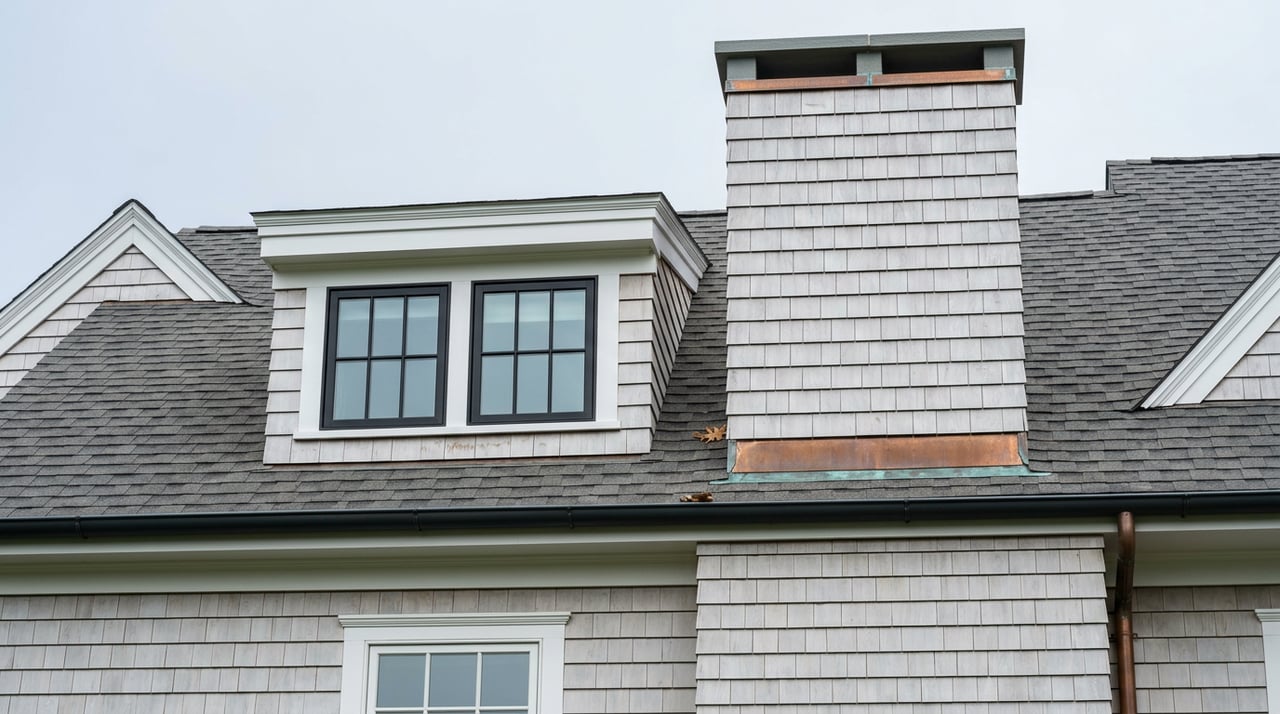
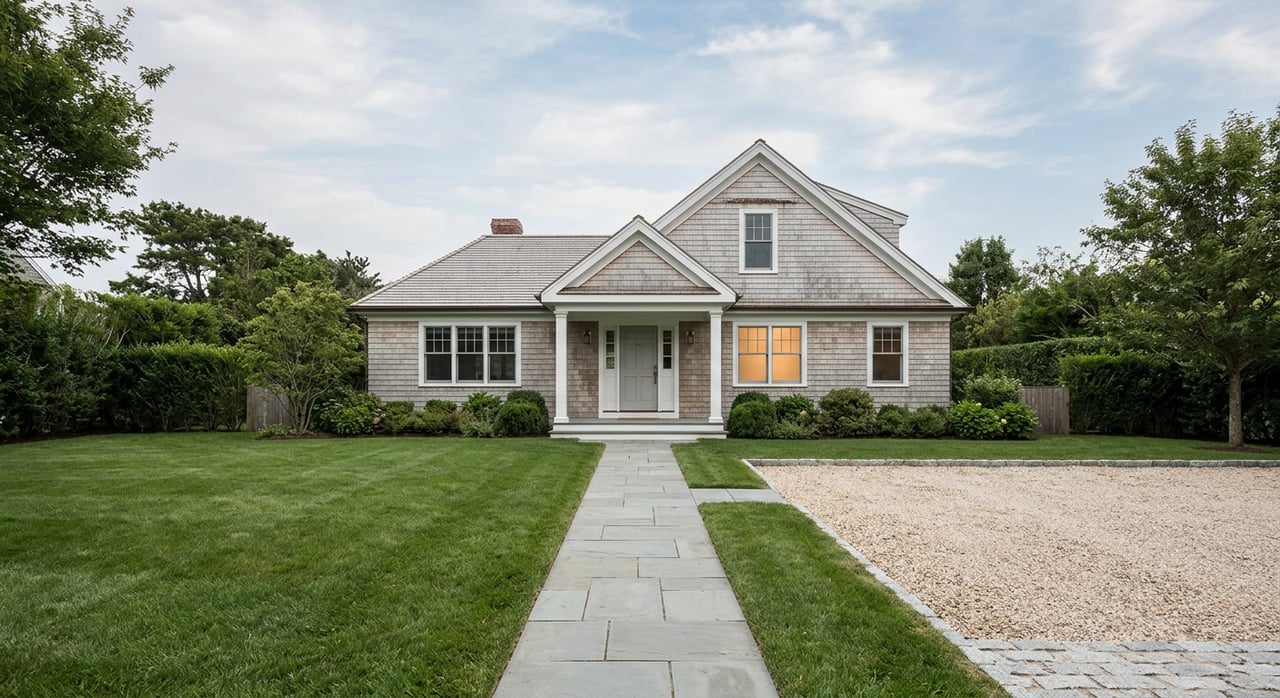
- Beach‑adjacent: Expect historic Bluff Road cottages and classic shingle‑style homes. Conservation and historic guidelines influence materials and facades along the ocean corridor, with the town’s code guiding design in sensitive areas. You can browse the town’s code resources to understand how design review and historic context may apply using the Town of East Hampton’s code library.
- Village and the Lanes: A mix of modest cottages, mid‑century houses, and newer rebuilds. Many smaller footprint homes have been renovated or expanded while keeping a traditional Hamptons feel. The East Hampton Star’s neighborhood notes touch on these patterns.
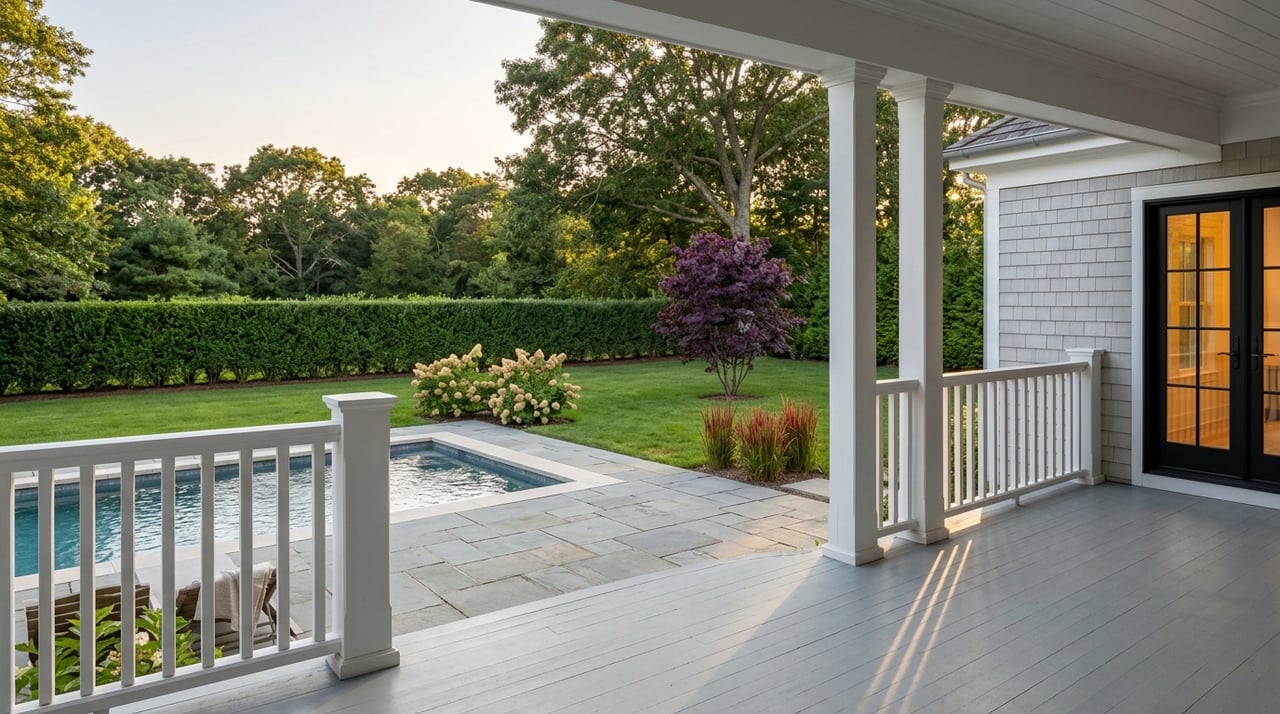
- Back roads and inland: You will see larger custom and modern estates with pools, guest spaces, and long private drives. Design constraints are often lighter inland, though overlays may still apply in certain zones per the town’s zoning tables.
Lot size and what you can build
Lot size drives what you can build or expand. Many parcels in the Lanes are roughly around half an acre, which can limit total allowable gross floor area. Larger inland parcels usually fall into categories that permit bigger footprints and accessory structures. For exact minimum lot areas, setbacks, and formulas used to calculate gross floor area by lot size, refer to the Town of East Hampton’s residence district standards. Understanding these thresholds early helps you avoid surprises during design.
Walkability and daily convenience
If you want to step out for dinner or the train platform, Main Street and Amagansett Square are your best bets. Some parts of the Lanes offer a reasonable walk to shops and beach paths, but most of Amagansett remains car‑dependent for groceries and larger errands. The Amagansett LIRR station profile is a helpful reference for understanding the village core’s transit orientation.
Noise, privacy, and environmental exposure
- Traffic and seasonal bustle: Properties directly on or near Montauk Highway and Main Street can experience more traffic noise during peak months. If privacy is a must, look at interior lanes or back‑road parcels.
- Aircraft and helicopter noise: Aircraft movements near East Hampton Airport have been a community issue. Depending on flight paths, some areas notice seasonal aircraft noise. For background, see local reporting on noise concerns and mitigation efforts.
- Flood and storm risk: Ocean‑facing properties see higher exposure to coastal flooding and storm surge. FEMA flood insurance rate maps and town coastal hazards overlays influence building and insurance requirements. Before you bid, verify the parcel’s FIRM panel and discuss National Flood Insurance Program or private‑market premiums with your insurer. For code context, review the town’s coastal hazard and floodplain references.
Rental potential and key rules
Short‑term rentals can be lucrative in peak season, but compliance controls your upside. East Hampton requires registration with the Town Rental Registry for rentals where the owner is not on the property. Current town materials note strict limits on short stays, including a cap of no more than two rentals of 14 days or less during any six‑month period for a single‑family dwelling. See the town’s Short‑Term Rental discussion and materials for current rules and enforcement guidance.
Suffolk County also applies an occupancy tax to short‑term lodging. The county increased its rate to 5.5 percent effective June 1, 2023. Owners must register and remit, and platform collection policies may change, so you should confirm remittance mechanics before you list. Read more about the rate and coverage in this legal summary of the Suffolk County occupancy tax.
What this means for you:
- Beach‑adjacent homes can achieve strong peak ADRs thanks to proximity and amenities, but stricter rental limits and higher costs may reduce net yields.
- Village and Lanes properties offer attractive convenience for guests, yet the same rules apply, which caps how many short stays you can book mid‑season.
- Inland estates might secure fewer impulse summer bookings due to drive time, but larger layouts can appeal to longer, compliant stays.
Before you model revenue, confirm the home’s Rental Registry number, the county tax status, any platform collection rules, and your insurance coverage for short‑term use.
Who each option fits
- I want a surf cottage and village dinners: Focus on the Lanes and near‑beach lanes south of the highway. Expect higher per‑square‑foot pricing and smaller footprints. The East Hampton Star’s coverage reflects how demand has grown in these blocks.
- I want privacy, acreage, and a pool: Consider Bell Estate, Devon, and back‑road parcels. You get more space, room to expand, and quieter summers. Check the zoning tables and dimensional standards to understand build potential.
- I am an investor optimizing summer revenue: Beach‑adjacent homes tend to top the revenue charts in peak months. Balance ADR potential with the Town Rental Registry limits, county occupancy tax, and neighborhood considerations highlighted by the town’s STR materials.
How to choose: a quick checklist
- Lifestyle test: Do you value sunrise beach walks or evening strolls to dinner more?
- Budget reality: Are you comfortable paying a premium for ocean proximity, or do you want more acreage for the same outlay?
- Build plan: Do you need room to expand, add a pool house, or create a studio? Check lot size and gross floor area rules first.
- Access and parking: Will guests or family rely on the train? If yes, weight the village core and Lanes more heavily.
- Privacy needs: Are you sensitive to traffic or aircraft noise? Scout at different times of day and check local reporting for airport updates.
- Risk and upkeep: Are you prepared for higher insurance, dune maintenance, and storm prep on the ocean side? Verify flood zones and costs early.
- Rental strategy: Do the town’s STR limits and county tax still pencil for your plan? Confirm registry and tax requirements before you buy.
Your next steps in Amagansett
If you are comparing a cottage in the Lanes with a back‑road estate or a Bluff Road classic, you deserve advice tailored to how you live, travel, and host. A local specialist can pull like‑kind MLS comps in each micro‑area, pressure‑test your renovation or expansion plans against zoning, and model rental scenarios that reflect real registry limits and tax costs.
When you are ready to narrow your search, get a private tour plan and pricing guidance that fits your goals. For concierge‑level advice and local insight across Amagansett and neighboring Hamptons markets, connect with Rachael L. York.
FAQs
What is the main difference between Amagansett beach and village homes?
- Beach‑adjacent homes trade at a premium for ocean access and views, while village homes prioritize walkability to Main Street and the LIRR with generally smaller lots and footprints.
Are Amagansett beach homes in flood zones and costlier to insure?
- Many ocean‑facing properties fall within FEMA and town coastal hazard overlays, which can increase elevation, building, and insurance requirements, so you should check the parcel’s FIRM panel and consult an insurer.
How walkable is Amagansett if I buy outside Main Street?
- The Main Street and Amagansett Square area is the most walkable, but most addresses remain car‑dependent for regular errands, so plan on driving outside the core.
What should I know about short‑term rental rules in East Hampton?
- You need a Town Rental Registry number to rent when not in residence, and current town materials limit short stays to no more than two rentals of 14 days or less in any six‑month period per single‑family home.
Do inland Amagansett homes allow larger expansions than the Lanes?
- Often yes, because larger inland lots can qualify for higher gross floor area under the town’s dimensional standards, but you should verify exact setbacks and formulas for your specific parcel.
Will I hear aircraft or traffic noise in peak season?
- Homes on or near Montauk Highway and Main Street can experience more traffic noise, and some areas notice seasonal aircraft activity depending on flight paths, so it is smart to visit at different times of day before you buy.