Are you torn between the timeless charm of a shingle-style Hamptons home and the sleek appeal of a modern build in Southampton? You are not alone. Many luxury buyers balance heritage, lifestyle, and coastal realities before deciding. In this guide, you will compare architecture, materials, maintenance, energy performance, permitting, flood and insurance factors, and resale so you can choose with confidence. Let’s dive in.
Shingle-style: Classic Hamptons character
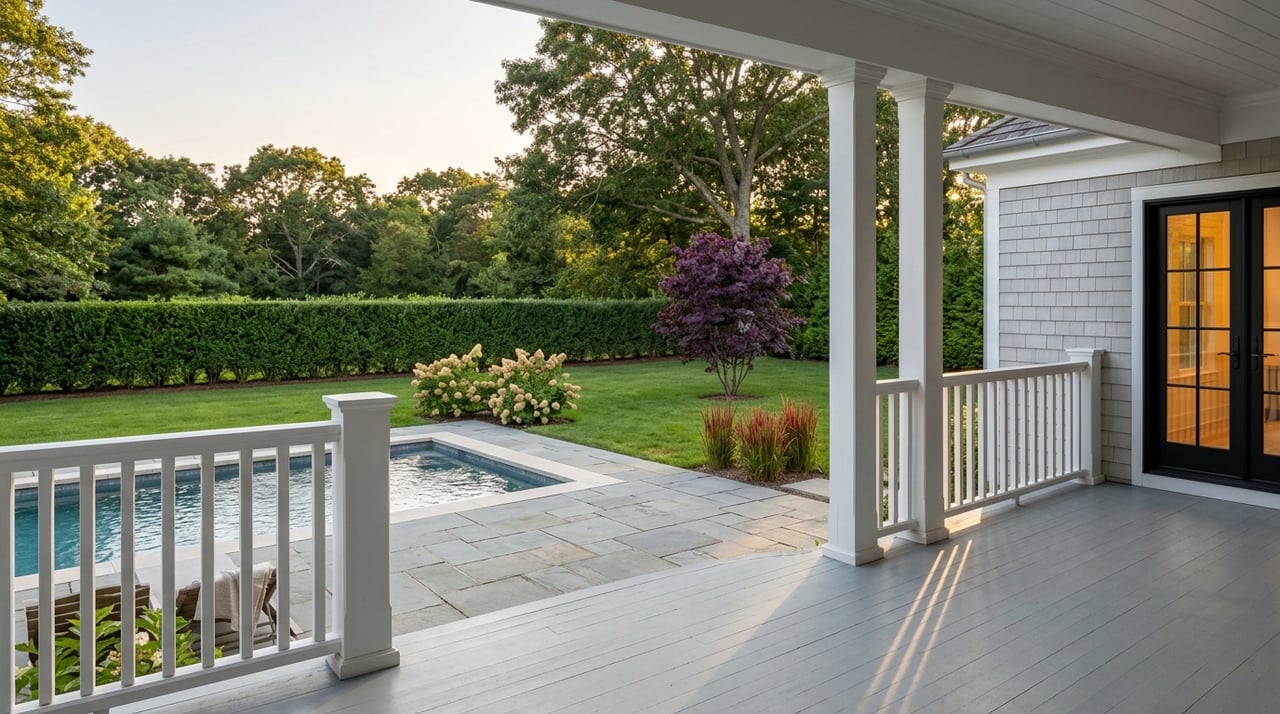
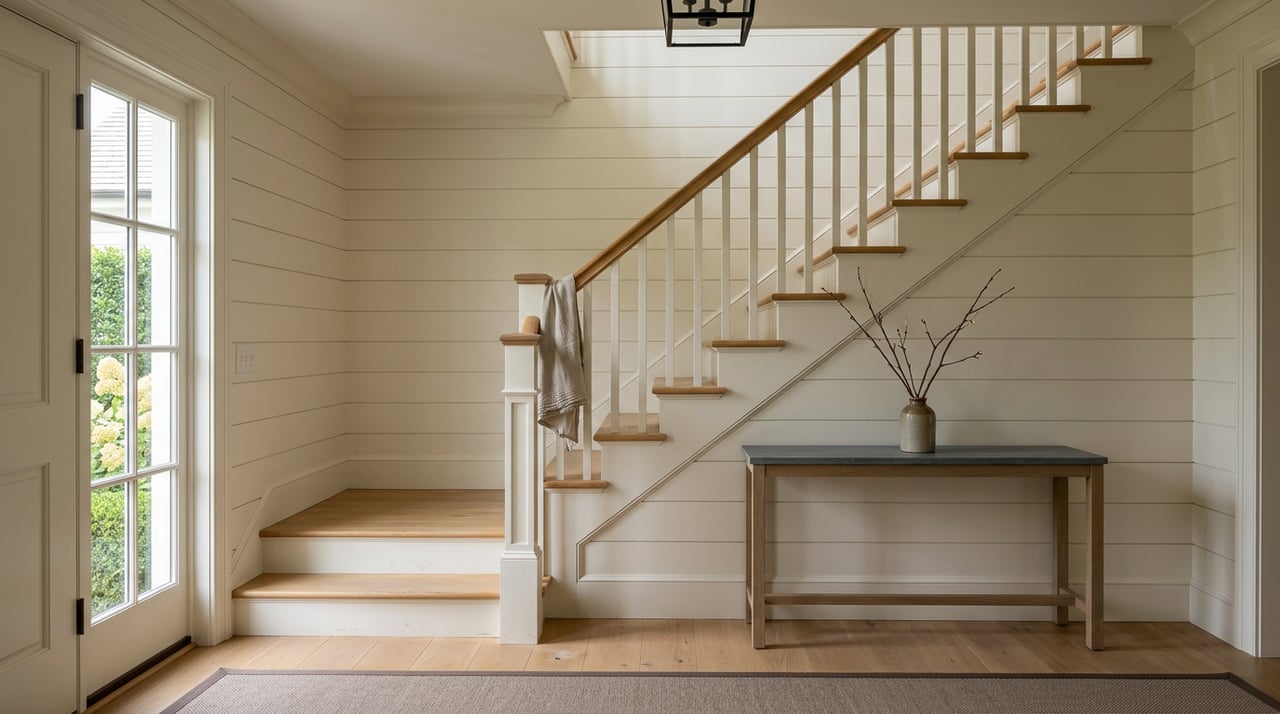
Shingle-style homes are part of Southampton’s coastal identity. You will see continuous wood shingle cladding, asymmetrical rooflines, dormers, and generous porches that blend into the landscape. Interiors often have defined rooms and traditional detailing, though many historic cottages now feature updated kitchens, baths, and systems.
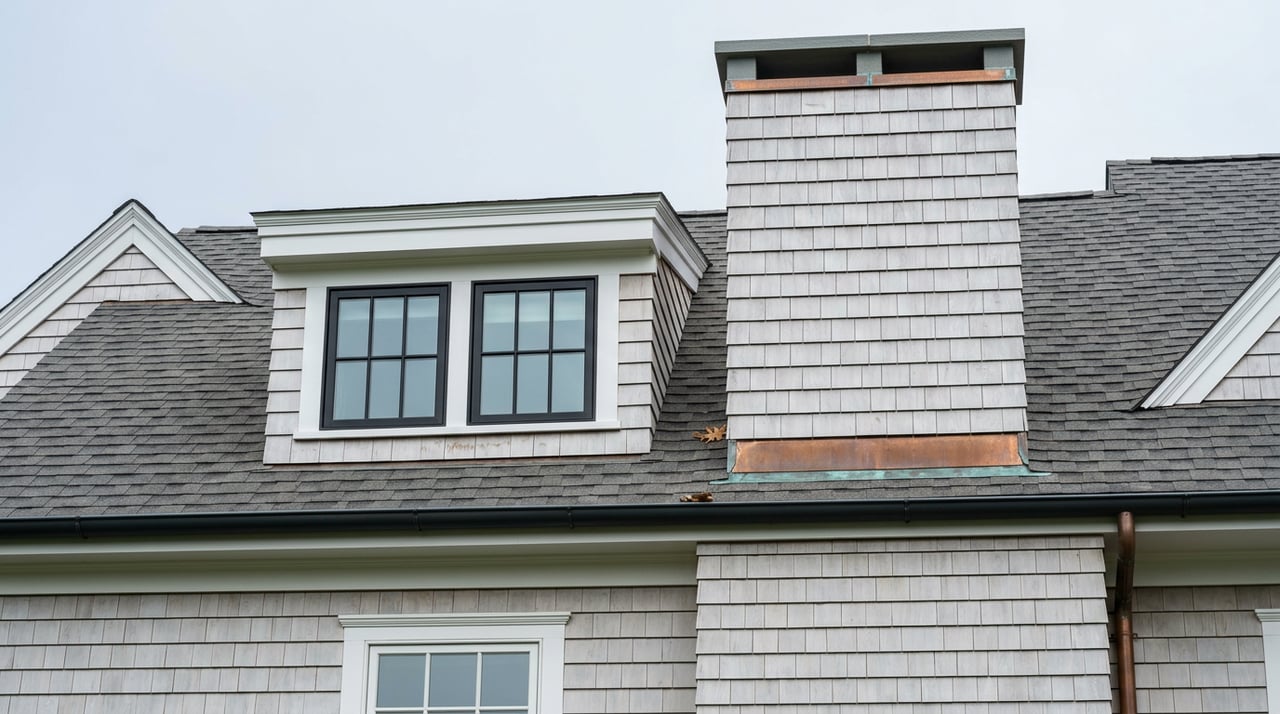
Typical construction uses cedar shingles or shakes on the exterior and sometimes on the roof, with wood trim and painted wood windows. Older homes may have oil or gas boilers that have been upgraded over time. The look is warm, textured, and regionally authentic.
Pros
- Regionally appropriate aesthetic with strong neighborhood compatibility.
- Proven appeal to buyers who value character and scale.
- Easier to blend into historic districts when changes are permitted.
Considerations
- Wood exteriors in salt air need steady maintenance and inspections.
- Complex rooflines demand excellent flashing and water management.
- Deep energy upgrades can be more involved in older structures.
Modern: Light, openness, and performance
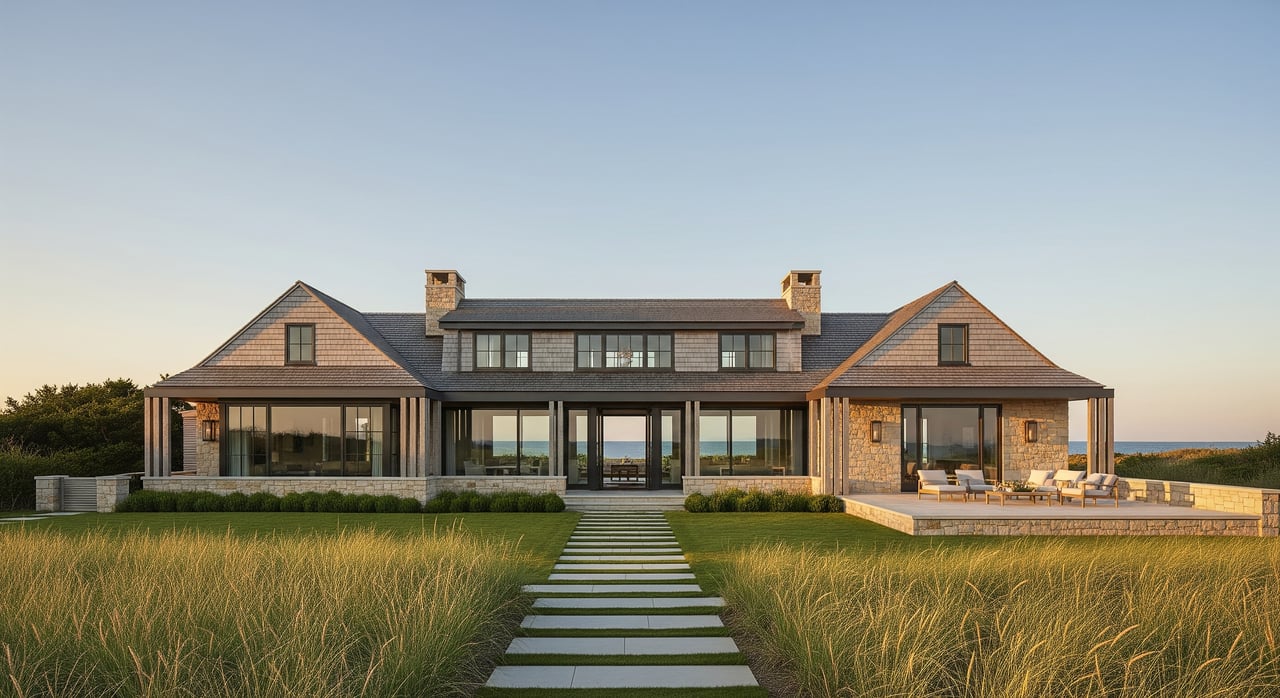
Modern and contemporary homes in Southampton emphasize clean lines, open plans, and indoor to outdoor flow. Expect large glass walls, low or flat roofs, and high-performance materials such as metal or composite panels and advanced glazing.
Many custom modern builds aim for better thermal performance and mechanical efficiency. You will often see heat pumps, ERVs or HRVs, advanced insulation, and home automation. The result is a crisp, gallery-like aesthetic that frames views and supports a streamlined lifestyle.
Pros
- Open layouts, abundant light, and strong indoor to outdoor connection.
- Engineered materials with lower routine upkeep than wood siding.
- Often designed for higher energy efficiency and future-ready systems.
Considerations
- Extensive glass needs impact-rated assemblies and careful detailing.
- Flat roofs require robust waterproofing and drainage maintenance.
- In historic neighborhoods, approvals for bold exteriors can be complex.
Hybrid approaches that work
You do not have to choose one lane. Many newer Southampton homes pair a shingle exterior with modern interiors or use contemporary massing wrapped in shingles. This delivers neighborhood fit along with open plans and efficient systems. A hybrid can also simplify permitting in historically sensitive areas while widening your future buyer pool.
Climate and coastal realities in Southampton
Southampton’s coastal setting brings salt air, humidity, strong sun, wind, and periodic severe storms. These conditions speed up weathering on wood and put a premium on storm hardening. Flood risk, especially in Special Flood Hazard Areas, can affect permits, elevation standards, insurance, and long-term value. If you plan to finance or significantly improve a home in a flood zone, expect lender and insurer requirements for mitigation.
Materials and maintenance: What to expect
Coastal exposure influences how each style performs over time. Your ownership experience will depend on the exterior envelope, roof, and detailing as much as the floor plan.
Exterior cladding
- Cedar shingles: Beautiful and traditional, but they need consistent care in a salt environment. Plan for cleaning, periodic staining or sealing, and vigilant checks for rot, insects, and wind uplift.
- Fiber-cement and engineered panels: Common on modern homes or used to mimic shingles with lower upkeep. These materials resist rot and salt better than wood and often extend maintenance cycles.
- Metal and glass façades: Lower routine maintenance for the siding itself but require attention to seals, flashing, and thermal bridging. Large glass areas also mean regular cleaning and careful storm protection.
Roofing and water management
- Coastal-grade roofs matter for both styles. High-grade asphalt, metal, or quality synthetic products paired with precise flashing and drainage perform best.
- Shingle-style homes have more complex rooflines that demand excellent detailing to prevent water intrusion.
- Modern flat or low-slope roofs rely on durable waterproofing membranes and clean drainage paths, plus safe access for service.
Windows, doors, and storm protection
- Modern designs with large glass need impact-rated assemblies and precise installation to meet coastal codes and improve comfort.
- Traditional shingle homes often have smaller openings that are easier to protect and may reduce heat gain. If not already upgraded, look for modern double or triple glazing.
Energy, systems, and comfort
Modern custom builds frequently target higher energy performance with continuous insulation, tight air sealing, and efficient heat pumps. Energy-recovery ventilation improves indoor air quality. Solar-ready roofs are common.
Older shingle homes can absolutely be upgraded. You can add insulation, replace windows, improve air sealing, and convert to heat pumps. Keep in mind that preservation rules and existing construction may add complexity, especially for deep retrofits. New York State programs can offer guidance and incentives for energy improvements, and substantial renovations may trigger code-compliance upgrades.
Flood, permitting, and insurance
In Southampton, zoning overlays, historic districts, and flood designations shape what you can build or change.
- Historic and neighborhood review: In parts of the Village and certain hamlets, exterior changes and new construction may face architectural or historic review. Modern exteriors that depart from neighborhood character can require hearings or variances.
- FEMA flood zones and elevation: New construction and substantial improvements in flood areas may require elevating living spaces, using breakaway enclosures, and meeting specific foundation standards such as pilings or piers.
- Insurance: Properties in Special Flood Hazard Areas often carry lender and insurer requirements. Large glass façades, exposed wood elements, and low elevations can influence underwriting and premiums.
Checking zoning, permits, elevation certificates, and any previous approvals early in your process helps you avoid surprises and keeps closing timelines on track.
Resale, rental, and neighborhood fit
Both styles can sell and rent well in Southampton. Success usually comes down to location, quality, and execution.
- Shingle-style: Strong regional identity and a familiar scale often translate into broad buyer appeal in established neighborhoods. Tasteful, move-in ready renovations can be especially marketable.
- Modern: When architect-designed and sited well, modern homes can command premiums among buyers who value light, technology, and sustainability. In traditional blocks, a sensitive design approach is important to preserve resale flexibility.
- Hybrid: A shingle skin over contemporary plans can capture buyers from both camps and may maximize your audience on resale.
Which style fits your lifestyle
Choose based on how you want to live, not just how the house looks from the street.
- Pick shingle-style if you love classic Hamptons character, porches and terraces, and a home that blends quietly into mature neighborhoods. You are comfortable with a maintenance rhythm and appreciate texture and craft.
- Pick modern if you prefer open volumes, walls of glass, and integrated technology. You want low-maintenance exteriors, strong energy performance, and a minimalist aesthetic.
- Consider a hybrid if you want neighborhood fit without giving up modern planning and systems.
Buyer due diligence checklist
Here is a practical checklist to use before you make an offer.
Pre-offer research
- Confirm zoning district, setbacks, height limits, and whether any historic or architectural review applies.
- Check FEMA flood maps, local floodplain designations, base flood elevations, and recent elevation certificates.
- Review recent nearby sales to gauge demand for shingle-style versus modern in that micro-location.
Inspections and technical items: shingle-style
- Assess the age and condition of siding and roof shingles, including flashing and evidence of rot or insect damage.
- Review foundation type and condition, especially for older pile or pier systems.
- Verify any historic-preservation obligations that affect maintenance or exterior changes.
- Evaluate HVAC, insulation levels, wiring, and plumbing, plus timelines for major replacements.
Inspections and technical items: modern
- Confirm performance ratings for glazing, impact resistance, and water management around large openings.
- Inspect flat roof membranes, drains, and access points for service.
- Review panel and rainscreen attachment details and thermal-bridge mitigation.
- Verify mechanical sizing for open volumes and sun exposure.
Both styles: coastal resilience
- Compare elevation relative to base flood elevation and confirm utilities are elevated where required.
- Inspect shoreline structures or bulkheads if waterfront, including permits and maintenance records.
- Check for permitted repairs after any prior storm events and request documentation.
- Clarify septic versus sewer status and site drainage.
Questions to ask
- Sellers: maintenance logs, invoices for major work, known issues such as water intrusion or mold, age of mechanicals, and permit records for past projects.
- Architects and contractors: expected lifecycle costs, maintenance schedules for the chosen cladding and windows, coastal detailing specs, and permitting timelines.
- Lenders and insurers: eligibility and typical premiums for flood coverage and any underwriting considerations tied to materials or glazing.
Tour homes and decide with confidence
The best way to choose is to experience both styles in person. Walk the porches of a classic shingle home, then stand in a modern living room that opens to the pool terrace. Feel the light, note the materials, and picture your routine from morning coffee to summer evenings.
See shingle-style and modern homes up close. Book a private tour of representative properties by appointment to compare finishes, siting, and coastal detailing. For tailored guidance and access, connect with Rachael L. York for a concierge, data-informed consultation.
FAQs
What defines shingle-style homes in Southampton?
- Shingle-style homes feature continuous wood shingle cladding, asymmetrical rooflines, dormers, and porches, with a classic coastal identity that fits many Southampton neighborhoods.
How do modern homes handle coastal storms in Southampton?
- Quality modern builds use impact-rated glazing, robust waterproofing for flat roofs, and coastal detailing, often paired with elevated mechanicals where flood rules apply.
Which style has lower maintenance in a salt-air climate?
- Engineered cladding and metal or composite panels on modern homes typically reduce routine upkeep, while cedar shingles look classic but need regular care and inspections.
Do flood zones affect permits and insurance for Southampton properties?
- Yes. Homes in Special Flood Hazard Areas face elevation and mitigation requirements for major work, and lenders and insurers often set specific conditions and premiums.
Is a hybrid shingle-modern approach common in the Hamptons?
- Yes. Many new homes blend shingle exteriors with modern plans and systems to achieve neighborhood fit, a contemporary lifestyle, and smoother approvals.