Wondering what your Sag Harbor home could actually earn this summer? You are not alone. With strong July and August demand and selective off-season interest, the difference between guessing and using a clear framework can mean tens of thousands in revenue. This guide gives you a simple, practical way to size up seasonal rental potential in Sag Harbor, from demand windows and comps to occupancy modeling, costs, and local rules. Let’s dive in.
Sag Harbor rental seasons at a glance
Sag Harbor is a walkable, high-amenity village on eastern Long Island with a rental market that peaks in summer. Visitors value the harbor, beaches, dining, theater, and access to the broader East End. Your pricing and marketing should track these patterns.
- Peak season: mid-June through Labor Day, with July and August as the strongest months. Weekly minimums are common and rates are highest.
- Shoulder seasons: late May to early June and September to early October. Rates and occupancy ease but long weekends and events still book well.
- Off-season: mid-October through April. Occupancy is low unless you target longer stays, retreats, or year-round tenants.
Use this calendar as a starting point, then validate with live data from comparable listings and short-term rental analytics.
Location factors that drive bookings
Location and presentation are the biggest levers for Sag Harbor summer rentals. Focus on what a guest can do within minutes of arrival.
- Walkability to the village and harbor. Proximity to restaurants, shops, marinas, and the ferry can support higher weekly pricing and stronger occupancy.
- Beach access. Note the nearest public beach, parking rules, and drive time. Properties closer to beaches often command a premium.
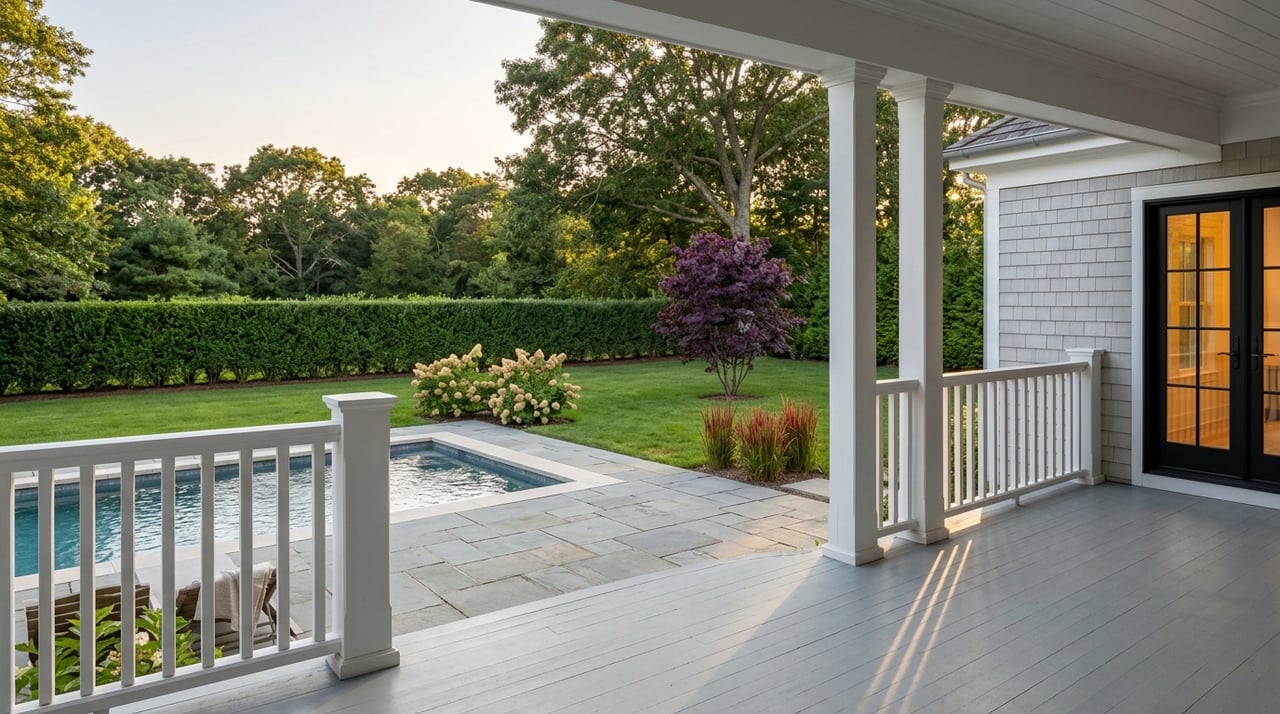
- Outdoor living and amenities. Pools, decks or patios, lawns, outdoor showers, grilling and dining areas, and private parking are summer must-haves.
- Comfort essentials. Central AC, reliable Wi-Fi, and updated kitchens or baths influence reviews and repeat bookings.
- Events and attractions. Summer performances, local markets, and cultural programming help fill peak and shoulder weeks.
- Comparable supply. Count how many similar homes within about a mile of the village are actively competing for the same calendar weeks.
Village-proximate and harbor-adjacent properties typically earn more than homes that require a drive. If you are farther out, consider sharper pricing, longer minimums, or off-season positioning.
Set competitive weekly and nightly rates
Pricing in Sag Harbor follows clear seasonal conventions. Use a comp-driven approach and layer in dynamic adjustments.
Build a comp set
Start with 8 to 12 direct comparables:
- Same bedroom count and sleeping capacity.
- Similar outdoor amenities, such as a pool, yard, or patio.
- Comparable walk time to the village or nearest beach.
- Similar presentation quality, including photos and finishes.
Record for each comp by month: weekly or nightly rate, minimum stay, cleaning or linen fees, deposits, and any preference for Saturday to Saturday bookings in peak weeks.
Know local pricing norms
- Weekly pricing is common for July and August to protect revenue and reduce turnover.
- Nightly pricing with 2 to 3 night minimums is typical in shoulder months.
- Cleaning and linen fees are often charged to guests, but you should still model them as a cost.
Use dynamic pricing tools
Dynamic pricing software can adjust rates for day-of-week patterns, local occupancy, and events. If you price manually, set a seasonal rate table and review competing calendars weekly through the summer.
Validate data quality
- Distinguish blocked calendars from true bookings.
- Check review counts and recency to infer actual occupancy.
- Compare listed rates with realized rates when possible, and always calculate net after platform and cleaning fees.
Model occupancy and revenue
A simple model helps you see the big picture, test scenarios, and avoid rosy assumptions.
Month-by-month model
- Estimate average daily rate for each month based on comps.
- Estimate occupancy percentage for each month using recent comparable performance or conservative ranges.
- Calculate monthly revenue as ADR times days in month times occupancy.
- Sum the months to find annual gross income, then subtract costs to estimate net operating income.
As a starting point for village-proximate, well-presented homes, consider these illustrative bands and verify locally:
- July and August: 80 to 100 percent occupancy for weekly rentals.
- June and September: 40 to 70 percent occupancy depending on minimums and events.
- October through May: 5 to 30 percent occupancy unless marketed for long-term use.
Use lower ranges for conservative underwriting and adjust upward only when comps and presentation quality support it.
Peak weekly math
Many Sag Harbor hosts sell weeks rather than nights during high season. For July and August:
- Weekly revenue equals your weekly price or ADR times seven.
- Weeks available equals total peak weeks minus owner use and blocked weeks.
- Occupied weeks equal available weeks times your weekly occupancy rate.
Fold those numbers into your annual total, then add shoulder and off-season revenue based on your minimums and price strategy.
Run sensitivity scenarios
Stress-test your plan with best, base, and conservative cases. Adjust ADR by plus or minus 15 to 30 percent and occupancy by plus or minus 10 to 30 percent. Include explicit owner use weeks, since they directly reduce available inventory.
Count all operating costs and taxes
Your net depends on careful cost planning. Build a line-by-line budget so surprises do not erase your summer gains.
- Cleaning and turnover. Include per-stay cleaning and linens, plus restocking basics.
- Property management. Full short-term management often ranges between 15 and 30 percent of rental income. Seasonal-only or self-management can change this number.
- Platform and payment fees. Account for host fees and credit card processing.
- Utilities. Summer AC, electric, gas, water, and sewer can be material.
- Insurance. Ensure your policy allows short-term rental use or add the proper endorsement.
- Routine maintenance. Landscaping, pool service, HVAC, septic pumping, and pest control should be budgeted.
- Repairs and reserves. Set aside 5 to 15 percent of gross income for refreshes and capital items.
- HOA or community fees. Include any recurring charges.
- Local and state taxes. Short-term rentals are typically subject to New York State sales tax and may be subject to additional local occupancy taxes. Plan to register and remit where required.
- Licensing and permits. Many East End municipalities require registration and may inspect for safety and occupancy compliance.
- Trash, snow, and parking costs. Include permits and seasonal services.
After you total operating costs, estimate net operating income. If you have a mortgage, subtract debt service and a reserve for future improvements to view your cash flow.
Understand local rules early
Rules vary across the East End, so verify requirements in the Village of Sag Harbor and in the Town of Southampton or Town of East Hampton, depending on your property’s location.
- Registration and permits. Confirm whether you must register, display a rental permit number, or schedule inspections.
- Occupancy and septic. Older homes may have specific capacity or wastewater rules that affect the number of legal guests.
- Noise and neighbor standards. Clear house rules and communication help you avoid complaints and fines.
- Enforcement. Municipalities have increased monitoring and penalties for noncompliance. Build compliance steps into your listing process.
Presentation that boosts ADR
In Sag Harbor, great presentation can add meaningful revenue. Focus on what summer renters see and use most.
Photography and listing quality
- Commission professional photos with warm, summer light. Capture outdoor dining, pool lounge zones, and the approach to the village or harbor.
- Lead your description with walkability, water proximity, and outdoor living spaces. Be accurate and avoid overpromising.
- Use a clear amenities list, including AC, parking, outdoor shower, dedicated workspace, and any kid-friendly features.
Amenities that pay for themselves
- Outdoor upgrades. Fresh landscaping, a clean deck or patio, and comfortable seating support higher rates.
- Comfort and convenience. Quality linens, blackout shades, a well-stocked kitchen, and reliable Wi-Fi reduce complaints and improve reviews.
- Safety and access. Keyless entry, clear check-in instructions, and required detectors or safety devices support compliance and guest satisfaction.
Minimums and guest segments
- Peak weeks. Weekly minimums in July and August can protect revenue and reduce wear.
- Shoulder months. Shorter stays can boost occupancy and attract weekenders.
- Fit your home to the right audience. Families and multi-household groups often book weeklong summer stays, while couples and small groups often book shoulder weekends.
Build your data toolkit
You can refine your analysis with a few reliable data sources and tools.
- Short-term rental analytics. Use platforms that report ADR, occupancy, and seasonality for Sag Harbor and nearby neighborhoods.
- Direct platform research. Track active listings for true availability, review cadence, and pricing patterns.
- Local MLS and long-term comps. Compare seasonal returns against longer-term rental options when deciding on strategy.
- Dynamic pricing software. Evaluate a tool that suits your calendar settings and your desired control over rates.
- Insurance and tax advisors. Confirm coverage and tax obligations before you list.
A simple checklist to get started
- Map the walk to the village, harbor, and nearest beach. Note minutes, parking rules, and any permit needs.
- Pull 8 to 12 strong comps with similar size and amenities within about a mile of the village.
- Draft a seasonal rate table with weekly pricing for July and August and nightly pricing for shoulder months.
- Build a month-by-month revenue and occupancy model with base, best, and conservative cases.
- Itemize operating costs, management, and platform fees. Add reserves and expected maintenance.
- Confirm permits, registration, tax collection, and insurance endorsements.
- Plan professional photos and a listing refresh that highlights walkability and outdoor living.
Ready to validate your numbers?
If you want a precise read on your home’s seasonal rental potential near Sag Harbor village, local context matters. A quick conversation can calibrate your comp set, rate strategy, and regulatory steps so you launch with confidence. Connect with Rachael L. York to discuss a tailored valuation, pricing plan, and the best path to market.
FAQs
What months are best for Sag Harbor weekly rentals?
- July and August are strongest, with mid-June through Labor Day also performing well for village-proximate homes.
How do I choose the right comps for pricing?
- Match bedroom count, sleeping capacity, outdoor amenities, presentation quality, and walk time to the village or beach within about a mile.
Should I price by week or by night in summer?
- Weekly pricing is common in July and August to protect revenue, while nightly pricing with 2 to 3 night minimums fits shoulder months.
What occupancy should I underwrite for a village-proximate home?
- A conservative starting point is 80 to 100 percent in July and August, 40 to 70 percent in June and September, and 5 to 30 percent off-season, then refine with local comps.
Which costs most owners overlook in seasonal rentals?
- Turnover costs, higher summer utilities, platform and processing fees, reserves for maintenance, and the time or fees for permitting and tax compliance.
Do I need a permit to run a short-term rental in Sag Harbor?
- Many East End municipalities require registration, inspections, and adherence to occupancy and noise rules, so confirm current village and town requirements before listing.